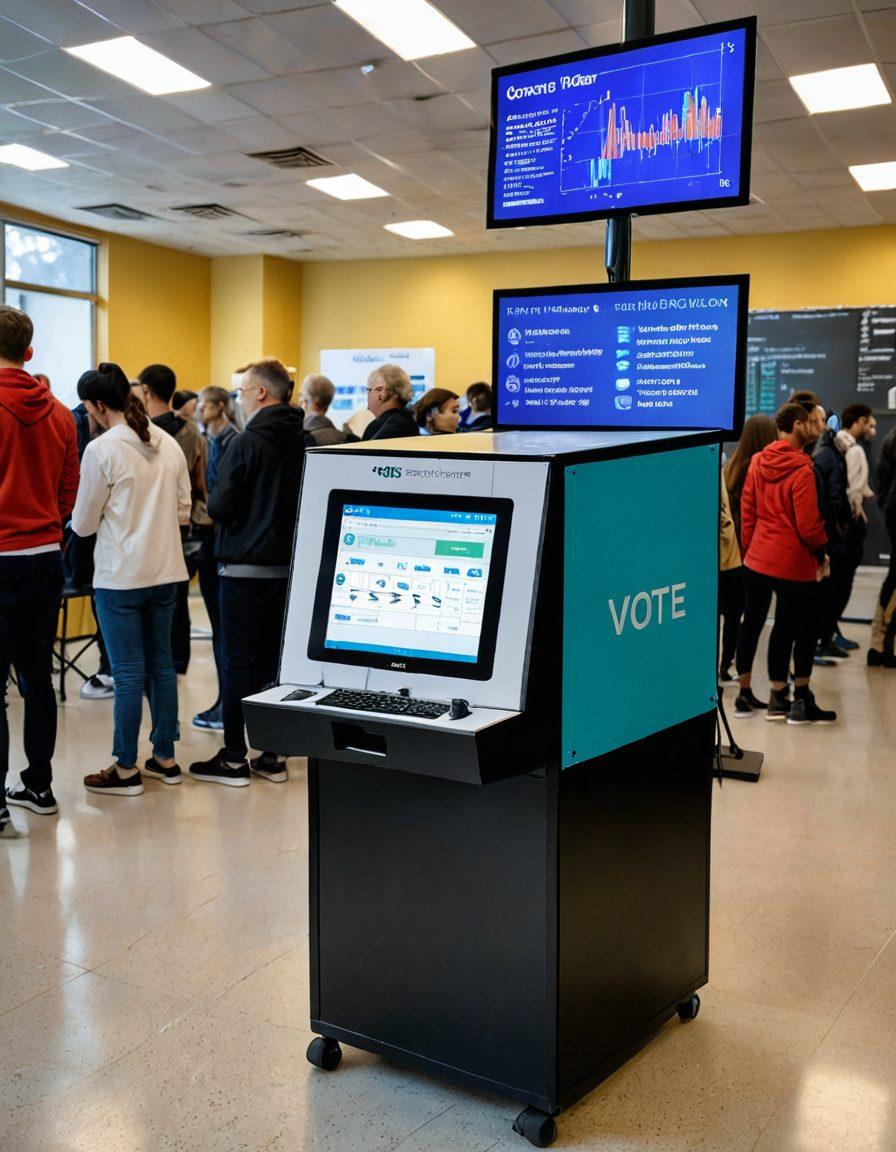
The Future of Democracy: How E-Voting is Transforming Electoral Participation
In a world where technology reigns supreme, the way we engage with democratic processes is shifting beneath our feet. E-voting is not just a trend; it’s a revolution in how we approach elections and civic engagement. Imagine sipping your morning coffee while casting your vote from the comfort of your home, or submitting your ballot in just a few clicks during your lunch hour. With the rise of electronic election systems, the ease of digital polling has the potential to enhance voter participation like never before. But what does this mean for the future of democracy?
As we dive deeper into the realm of e-voting, we must grapple with the question: Can technology truly enhance voter turnout while ensuring election integrity? The allure of virtual voting systems is strong—offering accessibility to those previously disenfranchised. Many young voters are digital natives, accustomed to seeking information and making decisions online. Yet, will they embrace the idea of online voting? What about older generations, who might be more hesitant? Understanding the balance between convenience and security is vital as we progress toward a more digitally inclusive electoral process.
Just think about it: the traditional polling systems often involve long lines, confusing ballots, and limited hours. Inevitably, people encounter barriers that deter them from participating, leading to a decline in voter turnout. E-voting breaks down those walls. It empowers citizens to engage in the electoral process without the constraints of time or accessibility. With remote voting and secure voting technologies, individuals can participate in elections even if they are miles away from their polling station. This change fosters deeper civic engagement and direct involvement in the democratic process—encouraging everyone to have a voice in shaping their community.
However, we must tread carefully. As more jurisdictions explore the potential of internet voting, concerns about election security loom large. How do we ensure the integrity of our ballots and protect against cyber threats? Election technology must be robust, and voting systems must undergo rigorous scrutiny, with transparent processes in place to reassure voters that their votes truly count. In this landscape, technology becomes a double-edged sword—promising convenience while challenging us to safeguard the principles of democracy.
To fully unlock the potential of e-voting, collective action and advocacy are paramount. It’s crucial for citizens to engage with their local electoral boards, voice their opinions, and participate in discussions about the future of the electoral process. Each person’s involvement in shaping voting systems can lead to innovative solutions that blend technology with democratic values. As we stand on the brink of this potential transformation, one must ask: Are we ready to embrace e-voting as a tool for enhancing civic engagement and revitalizing democracy? The answer holds the key to a more inclusive future where every vote matters.
From Polling Booths to Pixels: The Transformation of Electoral Participation
In an age where everything seems to be digitized, from shopping to social interactions, it is only natural that the way we vote evolves too. The shift from traditional polling booths to pixels has sparked excitement and debate among citizens and political experts alike. How does e-voting stand to redefine our electoral participation? This post dives deep into the world of electronic elections, exploring how digital polling and remote voting can enhance voter turnout while ensuring security and integrity of the vote. As the landscape of civic engagement transforms, can we imagine a future where casting a ballot is as straightforward as clicking a button?
Imagine this: a voter sits comfortably in their living room, laptop in hand, logged into a secure voting system. With a few clicks, they access their electronic ballot, make their selections effortlessly, and submit their vote—all without ever stepping foot in a polling place. This is not a far-off fantasy; this is the new reality of e-voting. Quotes from advocates like "Voting should be as easy as ordering a pizza" highlight the potential for convenience and accessibility brought by election technology. But can we balance convenience with the need for secure voting?
As e-voting systems evolve, so too do the challenges they face. Concerns surrounding election security often dominate discussions about internet voting. Can we guarantee vote integrity in a world rife with cyber threats? The answer, while daunting, lies within refined technologies that protect against tampering and ensure that each vote cast is legitimate. As we adapt to new polling systems, it becomes crucial to foster public trust in electronic elections—after all, a democracy thrives on voter confidence.
E-voting isn’t just about convenience; it invites broader discussions about electoral participation. By creating platforms for secure and seamless vote casting, we empower those who may feel disenfranchised by conventional voting methods. Remote voting could be the key to increasing voter participation, particularly among younger generations and busy professionals. So, how can we maximize the benefits of digital voting while minimizing the risks? The answer may lie in a collaborative approach between voters, technologists, and policymakers.
As we journey toward a future filled with digital solutions for democratic engagement, we must ask ourselves: What does it mean to be an active participant in the electoral process? E-voting opens new avenues for civic engagement, inviting more voices to policies that impact our lives. The challenge ahead is not merely to implement new voting systems, but to cultivate a culture of informed and empowered voters. Will we embrace this digital revolution to enhance our democracy? Or will we cling to old notions of what it means to participate in an election?
Ensuring Vote Integrity: How Electronic Elections Enhance Democracy
When it comes to democracy, the integrity of elections is paramount. However, as the world is rapidly moving into a more digital era, the question arises: can technology enhance the electoral process in a way that upholds vote integrity? Enter electronic elections, where e-voting becomes a game-changer in ensuring secure and transparent voting systems. As we embrace modern innovations, we can reimagine civic engagement through digital polling, making the electoral process not just a right, but a streamlined experience for all. But how does this transformation truly enhance democracy?
Picture this: it's election day, and instead of standing in long lines at crowded polling stations, you can cast your ballot from the comfort of your home via secure voting platforms. Yes, you read that right! With the rise of internet voting and remote voting solutions, voters have the opportunity to participate without the typical barriers. With e-voting, not only can we boost voter turnout, but we also cater to the diversity of voters who may struggle to access traditional polling systems. Could this ease be the key to unlocking higher voter participation?
One of the greatest advantages of e-voting is the heightened security it can bring to the electoral process. Yes, we all have heard tales of election tampering or voting fraud, which can shake our trust in democracy. However, advanced election technology has equipped us with systems designed to protect the integrity of votes. With encryption and secure ballot transmission, electronic elections help to ensure that each vote cast is authentic, leading to transparent outcomes. Can we imagine a future where vote integrity is no longer questioned?
Moreover, the implementation of e-voting actively increases civic engagement, especially among younger generations who are already accustomed to engaging with the world digitally. This shift towards virtual voting introduces the electoral process in a way that resonates with them. It inspires conversations about the importance of participating in our democratic systems and encourages individuals to take action, whether by discussing issues online or helping friends navigate the voting process. Isn't it fascinating how our methods of participation can evolve?
Yet, the conversation around e-voting wouldn't be complete without acknowledging its challenges. As we tread forward into this digital frontier, issues of election security loom large. It's crucial to continuously ensure that our voting systems are not only innovative but also robust against mischief. As we advocate for improvements in electronic elections, we should also be fostering discussions about effective solutions to guarantee secure voting. How do we balance the benefits of new technology with the need for trust and reliability in our electoral process? The future undoubtedly looks bright for democracy, and the answers to these questions will shape the landscape of electoral participation for generations to come.